
Pricing
Transparent pricing. No surprises.
We don't publish a single blanket rate, because your rate depends on your industry, ticket size, volume, and how you accept payments — and anyone who quotes a rate without knowing those things is hiding something in the fine print.
Where rates come from
Your rate depends on how the card arrives.
The card networks price every transaction by its risk. Knowing the bands is half the battle — it's why the same business pays differently across channels.
In person
Lowest-cost band
The card is present and verified, so the networks price it in their lowest band. Terminals, smart POS, and tap to pay live here.
Online
Middle band
Card-not-present carries more fraud risk, so it prices higher. Good checkout tooling and fraud screening keep you at the low end of the band.
Keyed entry
Highest band
Typing a card number into a terminal is the networks' highest risk category. Use it as the exception, never the default.
Invoicing & ACH
Skips card fees
Bank transfers bypass card interchange entirely — for large tickets and B2B, often the cheapest way to get paid.
The models
Pricing models, in plain English.
Every processor sells one of a few structures. Here's what each actually means — so the proposal you get from anyone reads like a document, not a riddle.
Interchange-plus
The card networks' wholesale cost, passed through at cost, plus one visible markup. The most transparent structure — and available on many of the programs we represent.
Flat rate
One blended percentage for everything. Simple to read, but the simplicity has a price: the blend is set high enough to cover the most expensive cards.
Cash discount & dual pricing
Card costs move to the posted price and cash payers get the discount — compliant setup required. How these programs work
Every program we represent includes a free base software tier — and if the free tier covers what you actually do, that's what we'll propose.
Quote anatomy
What your quote is made of.
Every written proposal we produce separates the same three parts. Once you can see them, no quote — ours or anyone's — can hide a number from you again.
Interchange set by the card networks
The wholesale cost of every transaction — published by the networks, identical for every processor on earth. Nobody marks this down; honest quotes pass it through at cost.
Program costs set by the platform
The processing platform's real fees — software, gateway, statements — each named in writing, none invented, none inflated.
Our margin set by us — and shown
What Argos earns, as its own visible line. It pays for your named advisor, setup, training, and the annual re-review — and you'll never have to guess it.
If a quote doesn't separate these three, one of them is hiding inside another.
The Argos plan
Our most popular plan.
Every program we represent also offers paid software tiers with more tools — and when one earns its keep, we'll propose it in writing. This plan is where most accounts start, and it comes with every tier.
- Free statement review, line by line
- Written side-by-side proposal before you sign
- A named advisor — not a ticket queue
- Setup, configuration, and team training
- Annual rate re-review, without being asked
- An honest "keep what you have" when we can't beat it
Every program, every processor, every merchant. The advisory layer is the product — and it's never a paid tier.
Our commitments
What you can expect from us.
A written proposal.
One you can compare side-by-side with your current provider — in plain numbers, not marketing math.
Every fee explained.
Before you sign, we walk through each line so nothing shows up later as a surprise.
Transparent models first.
We advocate pricing structures you can read — and interchange-plus is available on many of the programs we represent. We'll tell you which models your program supports before you sign.
Honesty about savings.
If we can't save you money, we'll say so.
An honest filter
We're not the right fit for everyone.
If you process a few thousand dollars a month or less, a flat-rate aggregator is often genuinely cheaper than a dedicated merchant account — and if that's your situation, we'll tell you exactly that in the review and point you the right way.
And if your current setup is already fair, "keep what you have" is a recommendation we make in writing. Turning away the wrong fits is how the right ones can trust the proposal.
The rate review
What a free rate review covers.
Line-by-line walkthrough
We read your current statement with you and translate every charge into plain language.
Your effective rate
The one number that matters: what accepting payments actually costs you per dollar processed.
Fee findings
Junk fees, padded rates, and non-compliance charges — flagged and explained.
A written recommendation
The equipment, software, and pricing model we'd propose, and what it would have cost you last month.
The hardware question
Devices are part of the math.
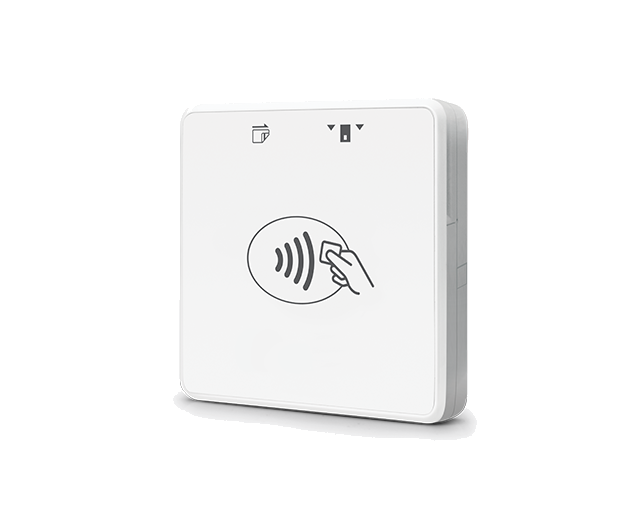
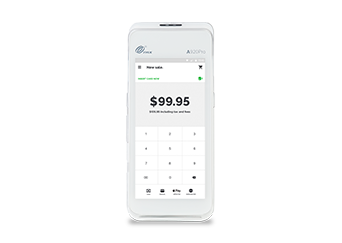
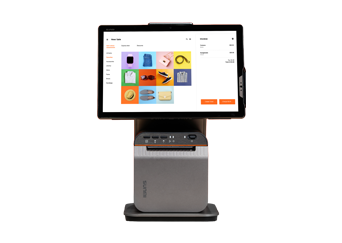
Equipment can be bought, financed, or included through a program — we'll price the options next to your rates so nothing hides in the hardware.
Ready to see the difference in dollars?
Bring a recent statement to your free rate review and we'll walk it line by line.